by John Bert | Last Updated: Apr 6, 2024 | Educational, Roofing
What is the building envelope? The building envelope refers to the physical separator between the interior and exterior environments of a building. It consists of all the elements of a building’s exterior, including the walls, fascia, soffit, roof, windows,...
by John Bert | Last Updated: Dec 29, 2023 | Buying Tips, Educational, News & Notes, Product Information
What is an Impact Resistant Shingle? Impact-resistant shingles are roofing materials crafted to endure harsh weather conditions, especially hail and falling debris. Typically made of reinforced asphalt or a mix with rubber or polymer, these shingles have a...
by John Bert | Last Updated: Oct 14, 2023 | Buying Tips, Educational, Roofing
“Guidelines for Roof Repair and Replacement in Dallas: Expert Advice” Objective factors: Can A Roof Be Repaired? As shingles age, the asphalt that is their main component becomes more brittle. At some point it is too brittle to do a proper repair. When...
by John Bert | Last Updated: Jul 17, 2023 | Educational, News & Notes
Spotting rampant fake reviews can be challenging, but there are several indicators you can look for to help identify potentially fraudulent or biased reviews. Here are some tips to spot fake reviews: Overly positive or negative tone: Fake reviews often tend to be...
by John Bert | Last Updated: Apr 20, 2023 | Buying Tips, Educational, Product Information
The Manufacturer CertainTeed has replaced the CertainTeed IR with CertainTeed Climate Flex. CertainTeed Climate Flex shingles are a new product in the roofing market that is designed to provide enhanced durability and versatility. They are made from a flexible,...

by John Bert | Last Updated: Feb 1, 2022 | Roofing
Most people don’t want to buy a new roof. It’s expensive and disruptive, and it’s the least visible part of your house. Despite that, new roofs are necessary and inevitable. When you’re facing the prospect of a roof installation, it’s important to know your...

by John Bert | Last Updated: Dec 23, 2021 | Roofing
Thinking about replacing your roof? Perhaps you’re planning a roof for a home or commercial building under construction? If you have a substantial budget, you’ve likely considered tile — not only because of its remarkably aesthetic but also because it tends to last...
by John Bert | Last Updated: Dec 23, 2021 | Metal Roofing
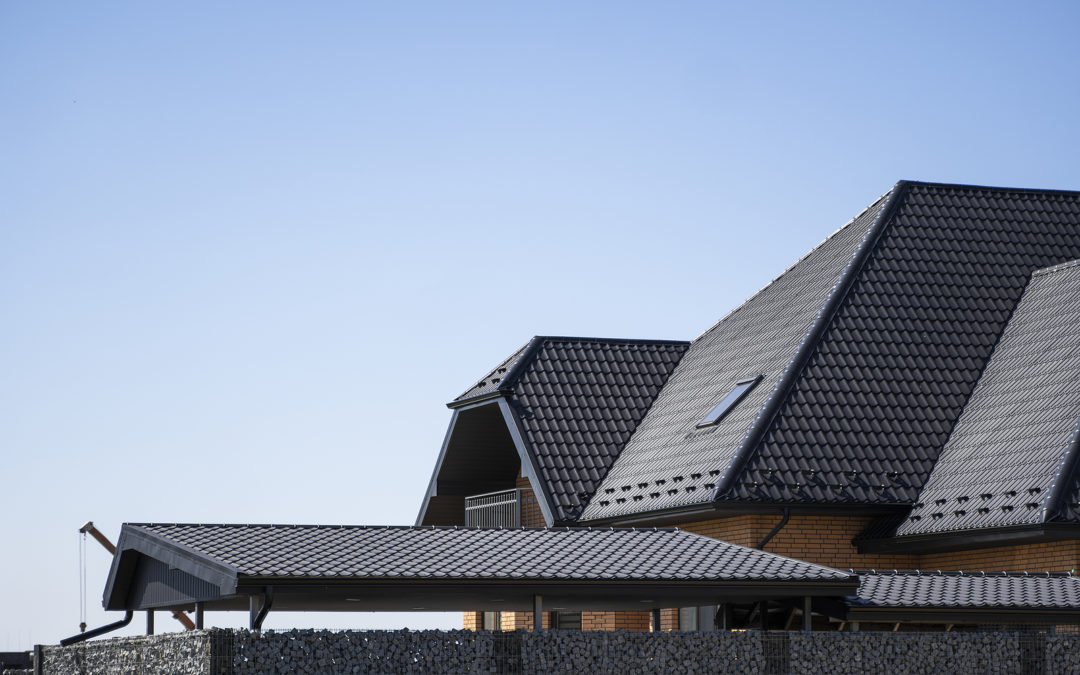
What type of roof do you have right now? If the roof is pitched, it’s most likely covered in shingles, but it doesn’t have to be. If you’re due for a new roof (or choosing a roof for new construction), it will be worth your time to explore your options. Metal roofing...
by John Bert | Last Updated: Oct 23, 2021 | Roofing
Eventually, every roof has to be replaced. It’s a major job and can be a source of disruption. It costs money that we would all rather spend elsewhere, but you have to have a reliable roof. Here at Bert Roofing, we’ve been replacing roofs for decades, and in that...
by John Bert | Last Updated: Oct 23, 2021 | Metal Roofing
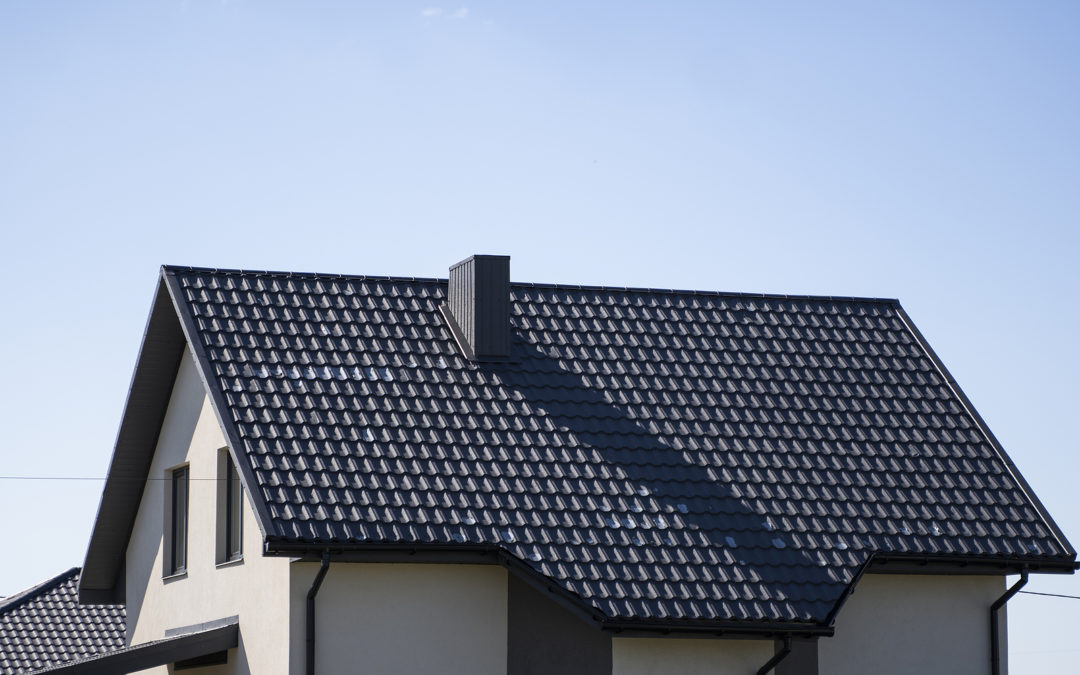
There are a lot of different types of roofs. If you ever watch real estate shows, you’ve probably seen a lot of roofing materials and styles. When it comes to choosing what will go over your head, you might feel more comfortable if you dig a little deeper into the...